

In the digital age, privacy and security are paramount. As businesses and individuals seek to protect their online activities, datacenter proxies have emerged as a crucial tool. These proxies offer anonymity, help bypass geographical restrictions, and facilitate web scraping without getting blocked. However, choosing the right datacenter proxy provider can be challenging given the numerous options available. This guide aims to simplify the selection process by outlining critical considerations and offering practical advice. Best way to find the proxies for google ads.
Before diving into how to choose a provider, it’s vital to understand what datacenter proxies are. Unlike residential proxies that route traffic through an internet service provider (ISP), datacenter proxies operate through data centers. They are not affiliated with an ISP and provide an IP address that is not tied to a physical location.
What are Datacenter Proxies?
Datacenter proxies are a type of proxy service that operates on servers located in data centers. These proxies work independently of internet service providers and are often used for activities requiring high speed and efficiency. The physical location of these servers in data centers allows them to deliver quick response times and manage large volumes of data.
How Datacenter Proxies Work
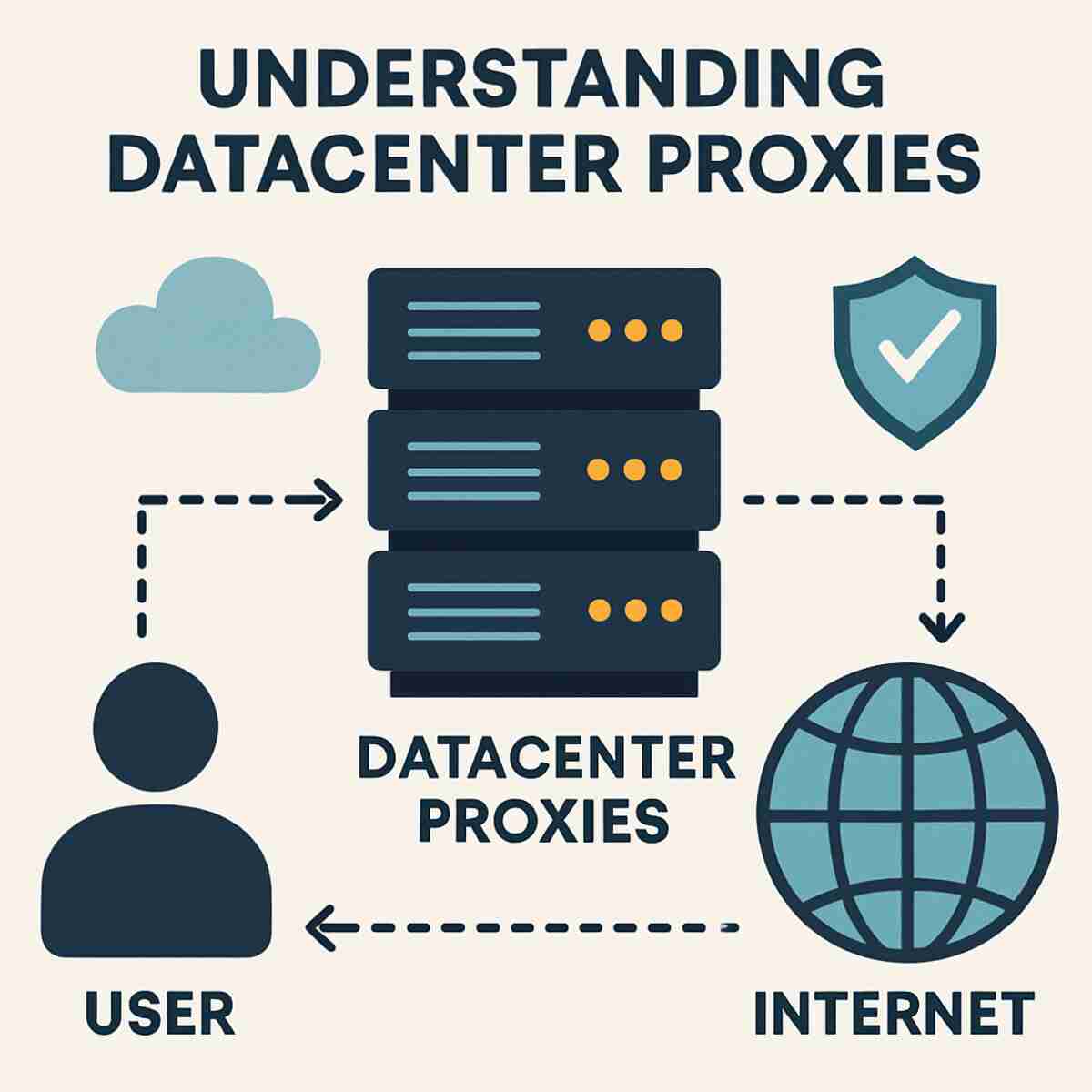
Datacenter proxies act as intermediaries between a user’s device and the internet. When you send a request through a datacenter proxy, the proxy server fetches the requested information on your behalf. This process masks your original IP address, allowing you to browse the internet anonymously. The server’s IP address is used instead, providing a layer of privacy and security.
Differences Between Datacenter and Residential Proxies
While both types of proxies offer anonymity, they serve different purposes and have varying levels of security. Residential proxies are linked to real residential IP addresses provided by ISPs, making them less detectable and more secure. In contrast, datacenter proxies are not tied to any ISP, which can make them more susceptible to detection by sophisticated systems. However, they offer a cost-effective solution for tasks that require speed and scalability.
Advantages of Datacenter Proxies
Datacenter proxies are favored for several reasons:
- Speed and Performance: These proxies are typically faster because they use robust data center infrastructure. The high-speed connectivity of data centers ensures that requests are processed quickly, which is particularly beneficial for applications requiring real-time data access or streaming.
- Cost-Effectiveness: Generally, datacenter proxies are more affordable than residential proxies. This cost advantage makes them accessible to a wider range of users, from individuals to large enterprises, looking to optimize their online operations without incurring substantial costs.
- Scalability: They can handle large volumes of traffic, making them suitable for businesses with significant data needs. The scalability offered by datacenter proxies supports extensive web scraping, data mining, and other resource-intensive tasks, ensuring uninterrupted performance even under heavy loads.
Despite these advantages, they may not be as anonymous as residential proxies, which can be a consideration depending on your intended use.
Limitations of Datacenter Proxies
While datacenter proxies offer many benefits, they also have limitations. They are generally easier to detect compared to residential proxies, which can be a disadvantage if complete anonymity is required. Some websites with advanced security measures can identify and block datacenter proxy IPs, leading to access issues. Furthermore, because datacenter proxies are often shared among many users, there can be a higher risk of IP blacklisting.
Key Factors to Consider When Choosing a Provider
Choosing the right provider is crucial for ensuring the effectiveness and security of your proxy service. Here are some key factors to consider:
Reliability and Uptime
A reliable proxy provider should guarantee high uptime. Look for providers offering at least 99.9% uptime to ensure that your operations are not interrupted by proxy downtime. Reliability is crucial, especially for businesses that rely on continuous data scraping or other automated tasks.
The Importance of Uptime
Uptime refers to the amount of time that a proxy server is operational and available for use. A high uptime percentage means that the server is consistently online, minimizing disruptions. This is particularly important for businesses that depend on data proxies for critical operations, as downtime can lead to significant productivity losses and missed opportunities.
Assessing Provider Reliability
To assess a provider’s reliability, examine their service level agreements (SLAs) for uptime guarantees. Reputable providers often publish their uptime statistics and offer compensation for downtime, demonstrating their commitment to maintaining service quality. Customer testimonials and reviews can also provide insights into a provider’s reliability and responsiveness.
Downtime Mitigation Strategies
Even with high uptime guarantees, occasional downtime can occur due to maintenance or unexpected issues. Look for providers that have robust downtime mitigation strategies, such as automatic failover systems and redundant server networks. These measures ensure that your operations continue smoothly, even if one server experiences issues.
IP Pool Size and Diversity
The size and diversity of the IP pool can significantly impact the effectiveness of your proxies. A larger pool reduces the risk of IP bans and ensures that you have access to a wide range of IP addresses, which is especially useful for tasks like web scraping where IP rotation is necessary.
Understanding IP Pool Diversity
IP pool diversity refers to the variety of IP addresses a provider can offer. A diverse IP pool includes IPs from different geographical locations and subnets, reducing the likelihood of detection and blocking. This diversity is essential for bypassing geo-restrictions and accessing content from multiple regions.
Advantages of a Large IP Pool
A large IP pool provides flexibility and enhances the chances of successfully completing tasks without interruptions. With more IPs at your disposal, you can rotate them frequently to avoid triggering anti-bot measures. This is particularly beneficial for activities like ad verification, price comparison, and market research.
Evaluating IP Pool Quality
When evaluating a provider’s IP pool, consider both the quantity and quality of IP addresses. Quality refers to the authenticity and reputation of the IPs. High-quality IPs are less likely to be flagged as proxies and are more reliable for sensitive operations. Providers that regularly refresh their IP pools and offer dedicated IPs can enhance your experience.
Security Features
Security should be a top priority when selecting a proxy provider. Ensure that the provider offers encryption and other security measures to protect your data. Additionally, inquire about their privacy policies and whether they keep logs of your activities, as this could affect your anonymity.
Importance of Encryption
Encryption is a critical security feature that protects your data as it travels between your device and the proxy server. It prevents unauthorized access and ensures that sensitive information, such as login credentials and personal data, remains confidential. Look for providers that offer SSL encryption to secure your connections.
Privacy and Logging Policies
A provider’s privacy policy reveals how they handle your data. Some providers keep logs of user activities, which can compromise anonymity. Opt for providers with a strict no-logs policy to ensure that your browsing history and personal information are not stored or shared with third parties.
Additional Security Measures
Beyond encryption and privacy policies, consider other security features offered by the provider. These may include IP whitelisting, two-factor authentication, and secure API access. These additional measures enhance the security of your proxy connections and safeguard your data from potential threats.
Customer Support
Effective customer support is essential. Choose a provider that offers 24/7 support to assist you in resolving any issues swiftly. This is particularly important for businesses operating across different time zones.
Importance of Responsive Support
Responsive customer support can make a significant difference in resolving technical issues promptly. Providers with dedicated support teams can assist with troubleshooting, configuration, and account management, ensuring that your proxy services run smoothly.
Evaluating Support Channels
Consider the support channels offered by the provider, such as live chat, email, and phone support. A variety of channels provides flexibility in reaching out for assistance. Test their response times and availability to ensure that you can receive help when needed.
Assessing Support Quality
The quality of customer support can be gauged through user reviews and testimonials. Look for feedback on the provider’s responsiveness, knowledge, and willingness to assist. Providers with a reputation for excellent customer service can help you navigate challenges and optimize your proxy usage.
Pricing Structure
Pricing is an important consideration, especially for small businesses or individuals with limited budgets. Compare pricing structures from different providers to find one that offers the best value for money. Be wary of providers offering rates that seem too good to be true, as this could indicate compromised service quality.
Understanding Pricing Models
Proxy providers often offer various pricing models, such as pay-as-you-go, subscription plans, and bulk packages. Pay-as-you-go plans provide flexibility, while subscription plans offer cost savings for regular users. Bulk packages are ideal for large-scale operations requiring numerous IPs.
Balancing Cost and Value
While it’s tempting to choose the cheapest option, it’s essential to balance cost with the quality of service. Low-cost providers may cut corners on reliability, security, and customer support. Evaluate the features included in the pricing plan to ensure that you receive value for your investment.
Additional Costs to Consider
Be aware of potential additional costs, such as setup fees, overage charges, and renewal rates. Some providers offer introductory rates that increase upon renewal, so it’s important to understand the long-term costs. Transparent pricing and clear terms and conditions can help you make an informed decision.
Evaluating Proxy Server Performance
Once you have shortlisted potential providers, the next step is to evaluate their proxy servers’ performance.
Testing Speed and Latency
Speed is a critical factor, especially if you’re using proxies for tasks like streaming or gaming. Most providers offer free trials or a money-back guarantee, allowing you to test their speed and latency. Ensure that the proxies meet your performance requirements before committing.
Importance of Speed
Speed determines how quickly data requests are processed and returned, affecting the overall efficiency of your operations. Fast proxies enable seamless browsing, reduce buffering during streaming, and enhance user experience in real-time applications.
Conducting Speed Tests
To evaluate proxy speed, conduct tests using online speed testing tools. Measure the download and upload speeds, as well as latency, to assess the proxy’s performance. Compare these results to your requirements and the provider’s claims to ensure compatibility with your needs.
Understanding Latency
Latency refers to the delay between sending a request and receiving a response. Low latency is crucial for time-sensitive tasks, such as online gaming and live streaming, where even slight delays can impact performance. Evaluate latency results to ensure that the proxy meets your expectations.
Assessing Anonymity Levels
Anonymity levels can vary between providers. Conduct tests to determine the anonymity of the proxy. Some online tools can assess this by checking if the proxy leaks any identifiable information.
Importance of Anonymity
Anonymity is a key reason for using proxies, as it protects your identity and online activities. High anonymity levels ensure that your IP address and personal information remain hidden from prying eyes, enhancing your privacy and security.
Conducting Anonymity Tests
To assess anonymity, use online anonymity testing tools that check for IP leaks, DNS leaks, and WebRTC leaks. These tools reveal if any identifiable information is exposed while using the proxy. Ensure that the proxy passes these tests to maintain your anonymity.
Evaluating Anonymity Features
Some providers offer advanced anonymity features, such as rotating IPs and stealth protocols, to enhance privacy. Consider these features when evaluating providers, especially if your operations require high levels of anonymity for activities like competitive analysis or market research.
Practical Tips for Using Datacenter Proxies
To maximize the benefits of datacenter proxies, consider the following tips:
Rotate IP Addresses
Regularly rotating your IP addresses can help avoid detection and bans, particularly during web scraping activities. Rotating IPs frequently ensures that your requests appear as if they originate from different users, reducing the likelihood of triggering anti-bot systems.
Benefits of IP Rotation
IP rotation enhances anonymity and reduces the risk of IP bans, allowing you to scrape data, verify ads, and conduct market research without interruptions. It also helps in accessing geo-restricted content by simulating requests from various locations.
Tools for IP Rotation
Many proxy providers offer built-in IP rotation features, allowing you to automate the rotation process. Additionally, third-party tools and scripts can be used to manage IP rotation, providing flexibility and control over your proxy usage.
Monitor Usage
Keep track of your proxy usage to identify any unusual activities that could indicate a security breach. Monitoring usage patterns helps in detecting unauthorized access, ensuring that your proxies are used solely for legitimate purposes.
Importance of Usage Monitoring
Monitoring proxy usage allows you to identify anomalies, such as unexpected traffic spikes or unauthorized access attempts. Early detection of unusual activities can prevent potential security breaches and protect your data.
Tools for Monitoring
Utilize monitoring tools and software to track proxy usage, bandwidth consumption, and access logs. These tools provide insights into how your proxies are being used and help you take corrective action if needed.
Stay Informed
The proxy landscape is constantly changing. Stay updated on the latest trends and technologies to ensure that your proxies remain effective. Keeping abreast of industry developments allows you to adapt to changes and maintain optimal proxy performance.
Keeping Up with Industry Changes
The proxy industry evolves rapidly, with new technologies, regulations, and threats emerging regularly. Staying informed about these changes helps you make informed decisions and adapt your proxy strategies accordingly.
Resources for Staying Informed
Subscribe to industry newsletters, follow relevant blogs, and participate in forums to stay updated on proxy-related news and developments. Engaging with the proxy community can provide valuable insights and help you navigate challenges effectively.
Common Pitfalls and How to Avoid Them
Choosing a proxy provider can be daunting, and there are several common pitfalls to be aware of:
Overlooking the Fine Print
Always read the terms and conditions carefully. Some providers may have hidden fees or unfavorable terms that can affect your service.
Importance of Reading Terms
Understanding the terms and conditions helps you avoid unexpected charges and restrictions. Providers may include clauses related to data usage, billing, and service limitations that impact your experience.
Identifying Hidden Fees
Look for hidden fees such as setup charges, overage fees, and cancellation penalties. Transparent providers clearly outline all costs and terms, allowing you to budget accurately and avoid surprises.
Ignoring User Reviews
User reviews can provide valuable insights into a provider’s reliability and customer service. Check reviews on independent sites to get an unbiased perspective.
Value of User Feedback
User reviews offer firsthand experiences and highlight the strengths and weaknesses of a provider. They can reveal issues such as service reliability, support quality, and performance, helping you make an informed decision.
Finding Reliable Reviews
Seek reviews from reputable sources, such as independent review sites and forums. Avoid relying solely on testimonials on the provider’s website, as they may be curated to present a positive image.
Opting for the Cheapest Option
While cost is a significant factor, choosing the cheapest provider can sometimes result in poor service quality. Balance cost with the features offered to find a provider that meets your needs without compromising on quality.
Risks of Low-Cost Providers
Low-cost providers may sacrifice quality in areas such as security, reliability, and support. This can lead to issues such as frequent downtime, inadequate security measures, and poor customer service.
Balancing Cost and Quality
Evaluate the value offered by each provider, considering factors such as performance, support, and security features. A slightly higher cost may be justified by superior service quality and reliability, ensuring a better overall experience.
Conclusion
Selecting the right datacenter proxy provider is a critical decision that can impact your online activities’ efficiency and security. By considering factors such as reliability, IP pool size, security, and customer support, you can make an informed choice. Remember to test the proxies’ performance and remain vigilant about changes in the proxy landscape to maintain optimal performance.
In conclusion, while datacenter proxies offer numerous benefits, the key to success lies in selecting a reputable provider that aligns with your specific needs. By following the guidance provided in this article, you can confidently choose a provider and leverage datacenter proxies to enhance your online operations.
